Free postage on all orders over £95.
Coopers Beer Kits now in stock
View our latest Special Offers
5% Discount on orders over £150.00
£145.00 £130.00
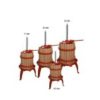
6 litre spindle press, holding up to 5 kg of crushed fruit, it can produce about 3 litres of juice.
It can be used along side with any of our crushers
Out of stock
This simple crusher will produce a good, high quality pulp with a little elbow grease from the user. It has a strong steel frame and a simple steel crank handle. Now fitted with stainless steel cutters and rollers – the only hand apple crusher on the market with this feature! Easy to clean and light-weight.

his strain is known for it’s exceptional reliability and it’s ability to consistently deliver fresh, clean, crisp and robust ciders. It is a very low foaming strain that will ferment between 10 – 35°C, adhering to the ideal fermentation for cider; measured and steady. The flavour characteristics confered by this strain are neutral and clean meaning that the natural flavour of the fruit will be the prominant taste on the palate, guaranteeing a satisfying, well balanced cider. Overall, a classic cider yeast that will ferment to dryness with a delicious, powerful and refreshing fruity finish, perfect for making your own traditional European cider.
Technical Information
Gluten Free
Alcohol tolerance: 15% v/v
SO tolerance: High
Foaming: Low
Low production of urea
Low production of fusel oils
Viability: >1.0x 10 CFU/g
Malic Acid, powder, food grade.
Both malic and citric acids are used to acidulate other fruits (commercial wines can legally only add acids that occur naturally in any particular fruit).
This acid is found almost universally in temperate fruits. It dominates in apples and together with tartaric acid accounts for most of the acid in grapes. The main disadvantage of malic acid is that it buffers to a fairly high pH.
The form of commercially available malic acid added to wines is not subject to M-L fermentations.
MALIC ACID FOR WINE MAKING USE ONLY