Free postage on all orders over £95.
Coopers Beer Kits now in stock
View our latest Special Offers
5% Discount on orders over £150.00
£5.95
How to reproduce the flavour and quality of commercial wines in your own home. Sauternes, hocks, Madeiras and champagne are all possible with the help of this book
1 in stock
First launched in 1988, the House of Beaverdale began producing a pure grape concentrate of such high quality that it allowed home wine-makers to emulate fine wines from the chateaux of the world’s great wine regions. Grape juice is now shipped from high quality wine regions the world over.
Fragrant and crisp wines derived from Chardonnay are rich and well balanced with wonderful body and finesse and a lingering after taste.
An experienced wine maker and judge draws on his life’s work as a research scientist in anaerobic fermentation and the work of commercial vintners to give his views of methods that will improve on standard winemaking techniques. The book has been written for winemakers at all levels; all aspects of home winemaking are discussed from the basic equipment to the Wine Clubs that are the backbone of this widespread hobby. The book concludes with a selection of over 50 recipes from the author and his winemaking friends – tried and tested prize-winning recipes that have resulted in a succession of medals and rosettes at wine shows
Pinot Noir is a light red wine, which is soft, fruity and smooth, with hints of raspberry, strawberry, and plum.
This Beaverdale kit produces 30 bottles (22.5L) of quality wine in approximately 4 weeks,
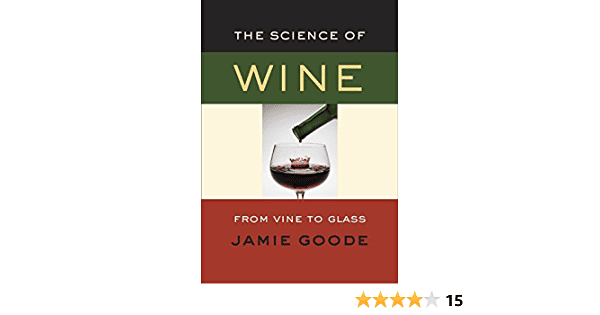
This essential and groundbreaking reference gives a comprehensive overview of one of the most fascinating, important, and controversial trends in the world of wine: the scientific and technological innovations that are now influencing how grapes are grown and how wine is made. Jamie Goode, a widely respected authority on wine science, details the key scientific developments relating to viticulture and enology, explains the practical application of science to techniques that are used around the world, and explores how these issues are affecting the quality, flavor, and perception of wine. The only complete resource available on the subject, “The Science of Wine: From Vine to Glass” engagingly discusses a wide range of topics including terroir, biodynamics, the production of ‘natural’ or manipulation-free wines, the potential effect of climate change on grape growing, the health benefits of wine, and much more. It covers some of the most hotly debated issues including genetically modified grape vines, sulphur dioxide, the future of cork, and wine flavor chemistry. More than 100 illustrations and photographs make even the most complex topics clear, straightforward, and easy to understand. This title is engagingly written for a wide audience of students, winemakers, wine professionals, and general readers interested in the science of wine.