Free postage on all orders over £95.
Coopers Beer Kits now in stock
View our latest Special Offers
5% Discount on orders over £150.00
£270.00
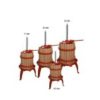
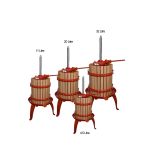
Cage Dimensions: 20cm x 35cm. With more than twice the capacity of the smaller model, the 11 litre spindle press offers great value and of course features the same classic design as the other models in the range. It is beautifully made, with a heavy duty pressed steel base covered with a hard wearing enamel coating, a beech cage bound with enameled steel rings, a stainless steel spindle and cast iron press mechanism.
Out of stock
Malic Acid, powder, food grade.
Both malic and citric acids are used to acidulate other fruits (commercial wines can legally only add acids that occur naturally in any particular fruit).
This acid is found almost universally in temperate fruits. It dominates in apples and together with tartaric acid accounts for most of the acid in grapes. The main disadvantage of malic acid is that it buffers to a fairly high pH.
The form of commercially available malic acid added to wines is not subject to M-L fermentations.
MALIC ACID FOR WINE MAKING USE ONLY
Ascorbic Acid is an anti-oxidant used as a partial substitute for sulfur dioxide, or used to prevent oxidation, which creates a dull and unpleasant flavor, and to prevent discoloring in the final product. Recommended for wines that discolor easily.
Ascorbic Acid, like Copper Sulfate, is often used to treat hydrogen sulfide (H2S) or ‘mercaptans’, which presents as a rotten egg scent in your wine. Try treating first with Copper Sulfate but if the problem persists, then treatment with Ascorbic Acid will be necessary. If you have advanced H2S ‘disulfide’, the scent could be described as burnt rubber or garlic-like and the wine will not improve with the treatment of Copper Sulfate alone. The use of 0.25gm Ascorbic Acid per gallon will often help by converting the disulfides back to mercaptans. The process may take up to three weeks, after which the wine should be treated with Copper Sulfate.
Use 0.25 grams of ascorbic acid per gallon.
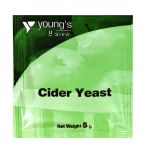
his strain is known for it’s exceptional reliability and it’s ability to consistently deliver fresh, clean, crisp and robust ciders. It is a very low foaming strain that will ferment between 10 – 35°C, adhering to the ideal fermentation for cider; measured and steady. The flavour characteristics confered by this strain are neutral and clean meaning that the natural flavour of the fruit will be the prominant taste on the palate, guaranteeing a satisfying, well balanced cider. Overall, a classic cider yeast that will ferment to dryness with a delicious, powerful and refreshing fruity finish, perfect for making your own traditional European cider.
Technical Information
Gluten Free
Alcohol tolerance: 15% v/v
SO tolerance: High
Foaming: Low
Low production of urea
Low production of fusel oils
Viability: >1.0x 10 CFU/g
Two lever hand capping tool for glass beer bottles. Simply put a crown cap on bottle, place capper over the top and gently push down on both levers to seal.
This capper works brilliantly. It’s so much better than other cappers in that you need fewer caps because you don’t lose so many during the capping process.
And, its really great value