Free postage on all orders over £95.
Coopers Beer Kits now in stock
View our latest Special Offers
5% Discount on orders over £150.00
£145.00 £130.00
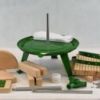
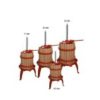
6 litre spindle press, holding up to 5 kg of crushed fruit, it can produce about 3 litres of juice.
It can be used along side with any of our crushers
Out of stock
12 litre spindle press, holding up to 11 kg of crushed fruit, it can produce about 4.5 litres of juice.
It can be used along side with any of our crushers
Ferment under pressure with the stainless steel 30L Apollo Titan from Keg King. With a build that will last a lifetime, the Apollo Titan is the same shape as its PET equivalents, with the option to add equipment for bottom dumping at the base of the cone, using the extra 1.5” tri-clover clamps included. With the ability to dry hop, serve direct from the tank and transfer to keg or packaging without introducing oxygen, this is the ultimate pressure fermenter.
Lid Designed for Pressure Rated Operation up to 35psi (2.4 Bar Using Red PRV).
https://www.youtube.com/watch?v=dbg6JS2chWg
Wider 115mm Lid
Features include:
When finished, the beer can be served directly from the fermenter, or transferred to a keg without introducing oxygen. Each unit is pressure tested straight off the production line.
Ascorbic Acid is an anti-oxidant used as a partial substitute for sulfur dioxide, or used to prevent oxidation, which creates a dull and unpleasant flavor, and to prevent discoloring in the final product. Recommended for wines that discolor easily.
Ascorbic Acid, like Copper Sulfate, is often used to treat hydrogen sulfide (H2S) or ‘mercaptans’, which presents as a rotten egg scent in your wine. Try treating first with Copper Sulfate but if the problem persists, then treatment with Ascorbic Acid will be necessary. If you have advanced H2S ‘disulfide’, the scent could be described as burnt rubber or garlic-like and the wine will not improve with the treatment of Copper Sulfate alone. The use of 0.25gm Ascorbic Acid per gallon will often help by converting the disulfides back to mercaptans. The process may take up to three weeks, after which the wine should be treated with Copper Sulfate.
Use 0.25 grams of ascorbic acid per gallon.